Family Allocation: $30k Model
A study on integrating multi-generational travel requirements into a fixed $30,000 annual budget. Focuses on structural efficiency and seasonal price arbitrage.
View Analysis
Analyzing the structural integration of travel expenditures within the Canadian economic landscape. We examine how geometry in planning leads to fiscal stability and long-term asset protection.
A study on integrating multi-generational travel requirements into a fixed $30,000 annual budget. Focuses on structural efficiency and seasonal price arbitrage.
View AnalysisMaximizing spatial and financial utility for individual travelers. This model prioritizes high-impact experiences through aggressive point integration and currency hedges.
Banking IntegrationStructural planning for 6-12 month travel cycles. Examines the impact of passive income streams and tax-efficient withdrawal strategies for residents.
Risk MitigationIn the context of solo travel, financial architecture is defined by the elimination of redundant space and unnecessary overhead. The efficiency model focuses on the Integration of Financial Instruments to create a seamless flow between domestic savings and international expenditures. By utilizing Canadian-specific credit structures, travelers can offset up to 40% of their logistics costs through strategic point accumulation.
The structural lines of a solo budget are leaner but require more precise monitoring. We utilize the 50-30-20 Travel Allocation Model to ensure that every dollar serves a dual purpose: immediate experience and long-term liquidity. This approach prevents the erosion of capital that often occurs during unplanned, spontaneous transitions between locations.
"Financial stability in travel is not found in spending less, but in the organic alignment of expenses with existing cash flow structures. Like a well-designed building, a budget must have a foundation that supports its most ambitious features."
Planning a long-term sabbatical (6+ months) requires a shift from "vacation thinking" to "spatial living." The financial structure must account for the maintenance of a Canadian home base while funding a mobile lifestyle. This involves a complex integration of rental income, tax residency considerations, and international insurance frameworks.
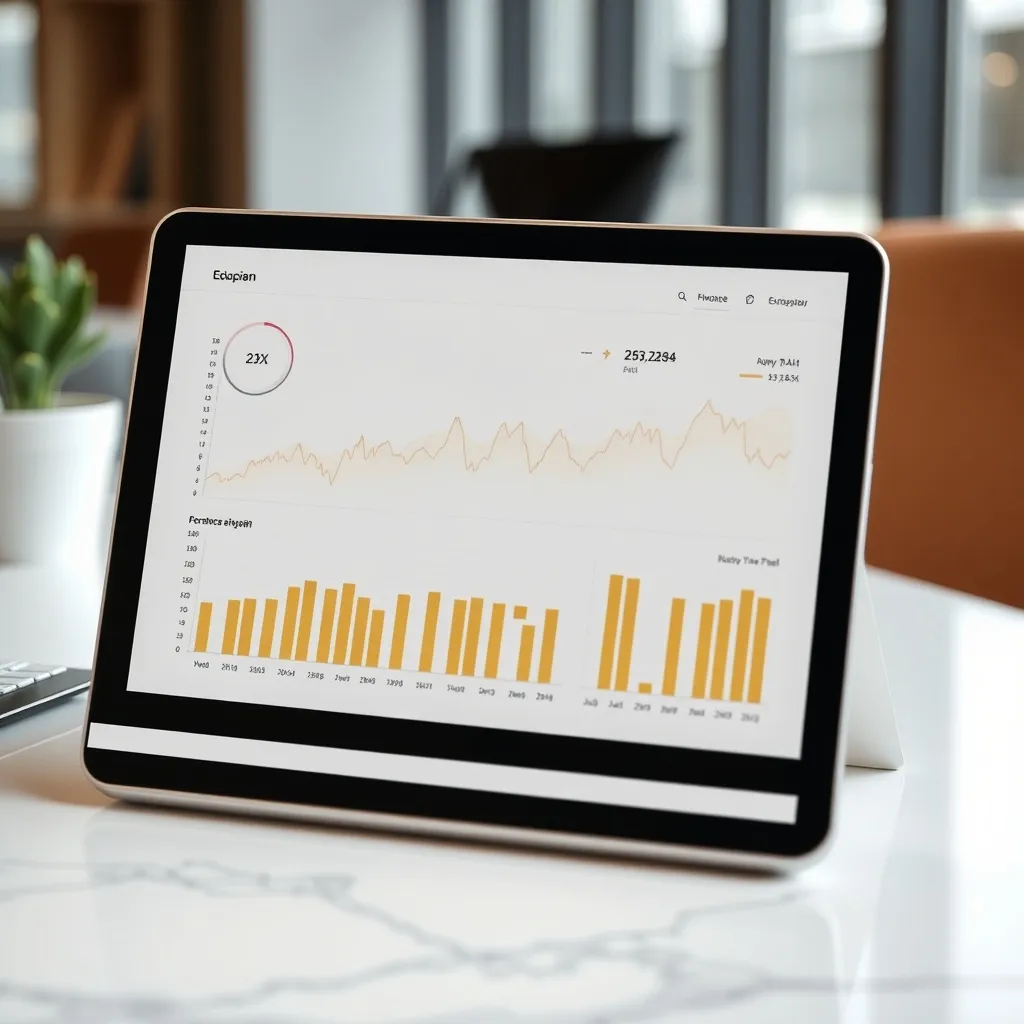
| Allocation Category | Family (4 Pax) | Solo Professional | Sabbatical (Monthly) |
|---|---|---|---|
| Logistics & Transit | $12,000 (40%) | $3,500 (25%) | $1,200 (20%) |
| Spatial Integration (Lodging) | $9,000 (30%) | $6,000 (43%) | $2,500 (42%) |
| Operational Expenses (Food/Misc) | $6,000 (20%) | $3,000 (21%) | $1,800 (30%) |
| Risk Management | $3,000 (10%) | $1,500 (11%) | $500 (8%) |
Note: Figures are based on 2024 Ottawa consumer price indices and average international exchange rates. For a more granular view, refer to our Data Visualization Guide.
Ready to apply these structural models to your next journey? Download our technical budgeting templates designed specifically for the Canadian financial landscape.