Woodsmoke Home
Financial Architecture

INTEGRATION OF
FINANCIAL
INSTRUMENTS

A structural approach to managing Canadian banking tools. We analyze the geometry of cash flow, integrating high-interest vehicles and credit lines into a singular, efficient spatial economy for your travel goals.

01. Core Framework

Banking Infrastructure

The Canadian banking landscape is defined by its stability and rigid structural requirements. To build a robust travel fund, one must understand the integration of Schedule I banks with digital-first institutions. This infrastructure serves as the foundation for all subsequent financial movements, ensuring liquidity is maintained without compromising the growth potential of the underlying assets.

Effective management requires a clear separation between operational accounts and strategic reserves. By utilizing the 50-30-20 travel allocation model, residents can automate the flow of capital from primary payroll accounts into specialized travel sub-structures.

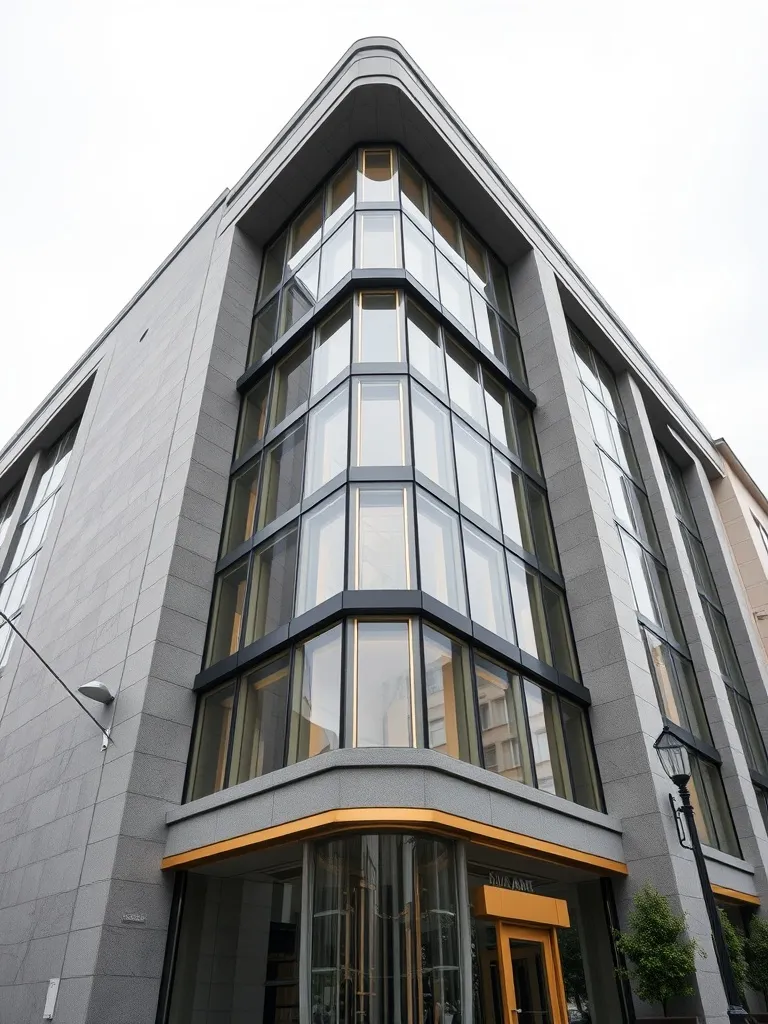
Architectural view of a modern bank building with clean line
Knowledge Base

Common Inquiries

How do HISA accounts integrate with daily banking?

High-Interest Savings Accounts (HISA) act as a secondary layer in your financial landscape. They should be linked via EFT (Electronic Funds Transfer) to your primary checking account to allow for rapid rebalancing of funds as travel expenses arise.

Can credit lines be used as a safety buffer?

Yes, when structured correctly. A Line of Credit (LOC) provides a liquidity bridge that prevents you from liquidating high-interest investments during market fluctuations or unexpected travel costs.

What is the impact of monthly account fees?

Fees represent structural friction. Reducing these costs through minimum balance maintenance or switching to "no-fee" digital structures can save an average of $180–$300 annually, which can be redirected to your travel budget.

Savings Structures

  • Tax-Free Savings Accounts (TFSA)
  • High-Interest Savings (HISA)
  • Guaranteed Investment Certificates (GIC)

Maximizing the efficiency of your travel fund requires the strategic use of high-interest vehicles. In Canada, the TFSA offers a unique spatial advantage: any growth within the account remains untouched by the CRA, allowing your travel budget to compound at a faster rate than in a standard taxable account.

For short-term goals (trips within 6-12 months), we recommend the integration of liquid HISA accounts. For longer-term architectural planning (trips 2+ years away), laddered GICs can provide a guaranteed return floor, insulating your capital from the volatility described in our local economic indicators.

Strategy A

Leverage Optimization

Using low-interest credit lines to book early-bird travel deals while keeping your high-interest savings intact until the trip date.

Learn More →
Strategy B

Reward Integration

Aligning credit card spending with travel categories to generate "soft" currency (points) that offsets the "hard" currency requirements of your budget.

Learn More →
Strategy C

Risk Mitigation

Maintaining a credit buffer as an emergency spatial layer to handle currency fluctuations or travel disruptions without debt accumulation.

Learn More →

Fee Reduction Mechanics

"Financial efficiency is not about how much you earn, but how much you prevent from leaking through the structural gaps of the banking system."

The final phase of integration is the elimination of unnecessary overhead. Canadian banks often charge for "premium" features that can be replicated through a combination of free tools. By auditing your monthly statements, you can identify recurring fees that serve no structural purpose.

Consider the "Multi-Product Rebate" systems offered by major banks. By holding a mortgage, a credit card, and an investment account with one institution, the monthly fee on your checking account is often waived. This creates a closed-loop system where the bank’s own rules are used to preserve your travel capital.
Ready to Begin?

Construct Your Financial Plan